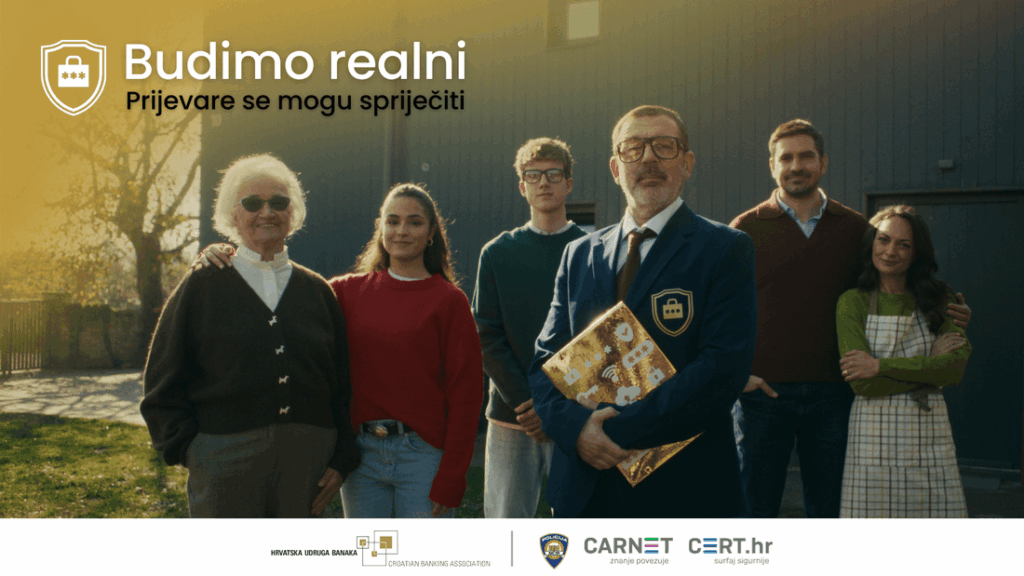
HUB warns of a rise in online scams ahead of Black Friday and launches the “Let’s Be Real” campaign
25.11.2025. | 13:09The Croatian Banking Association calls on citizens to exercise increased caution when shopping online and presents a new national cybersecurity campaign
Ahead of “Black Friday”, a period when the number of online purchases traditionally increases, as well as attempts of online fraud, the Croatian Banking Association (HUB) warns of increasingly sophisticated forms of personal and card data theft. Scammers intensify their activities precisely during the days of the biggest discounts, targeting users with fake offers, ads, and online stores that look convincing but serve solely to collect and misuse personal data.
Rising number of scams – fake stores, ads and prize games
Due to the increase in fraud attempts and a significantly higher number of fake online ads and web stores that appear every year ahead of the global shopping weekend, it is important to verify the credibility of ads that attract with extremely favorable online purchases, while at the same time exposing users to misuse and unauthorized collection of personal data.
Every year ahead of the largest global shopping weekend, a significant increase in fake online ads on social networks is recorded, especially those offering “unbelievable discounts” – HOT SALE, 80% OFF, Discount Sale and similar. Increasingly, scammers also create fake stores of Croatian brands advertising total clearance sales due to closure or changes in assortment. Such ads often lead to fake websites whose sole purpose is data theft. Buyers most often do not receive the product, and the stolen data is later used for unauthorized charges on other online stores.
Citizens are advised to thoroughly check the online store before purchasing, including the experiences of other users, and to enter card details only on secure and reliable websites. If there is even the slightest suspicion, the credibility of the store can be checked via the service: https://iffy.cert.hr/
HUB launches the national campaign “Let’s Be Real”
In order to provide citizens with concrete information and reduce the number of fraud victims, HUB, with the support of the Ministry of the Interior and CARNET’s National CERT, launched the campaign “Let’s Be Real” dedicated to responsible behavior on the internet.
Through TV spots and the educational website www.budimorealni.hr, the campaign presents real examples of the most common types of scams, from fake bank websites and phishing calls to romance and investment scams. The face of the campaign is actor Hrvoje Kečkeš, who in the role of the “hero neighbor” uses the recognizable phrase “Let’s Be Real” to warn about situations in which scammers exploit trust and impulsiveness.
“The digital environment brings many advantages, but also new forms of risk. We want to show citizens that caution does not mean distrust, but awareness of how to recognize suspicious situations and react in time. Let’s be real, fraud can happen to anyone, but with a certain level of attention it can also be prevented,” said Tamara Perko, director of the Croatian Banking Association.
Practical guide for citizens: how to shop safely online during discount periods
To help citizens protect themselves, HUB reminds of several basic tips for safe online shopping:
10 TIPS FOR SAFE ONLINE SHOPPING:
- BE SUSPICIOUS: When discounts are too large and unrealistic (e.g. a well-known brand discounted by 50% or more), do not rush into a purchase even if it is stated that the offer is available for a limited time. Check everything before paying.
- BUY FROM TRUSTED SOURCES – Use brands and stores that you are familiar with.
- CHECK SELLER REVIEWS – Especially check unknown stores and sellers (https://iffy.cert.hr/; https://www.scamadviser.com/)
- CHECK THE ONLINE STORE:
– CHECK WHETHER DATA TRANSMISSION IS PROPERLY SECURED – When browsing the internet, use HTTPS and SSL protocols. Remember: the padlock symbol alone does not mean that a website is legitimate.
– WHEN SHOPPING ONLINE, CHECK THE WEB ADDRESS – Never use links received via email or social networks. Enter data only directly on secure websites.
- CHECK RECURRING/PERMANENT PAYMENTS – Before submitting your card details for subscription services online, carefully read the terms on the website you are agreeing to by entering your card data and find out how to cancel the service.
- DO NOT SEND MONEY TO STRANGERS – If you would not give money to a person you randomly met on the street, do not do it online either. If possible, retain the right to receive the goods first.
- DO NOT SEND CARD DETAILS VIA EMAIL OR OTHER COMMUNICATION SERVICES – Never send a copy of your card, card number, PIN, or other card details via email. Never send one-time passwords via services such as SMS, Messenger, WhatsApp, or Viber.
- CAREFULLY CHECK WHAT AND HOW MUCH YOU ARE PAYING – Before confirming a transaction, especially one requiring strong customer authentication (SCA), pay attention to the amount you are confirming on your bank’s screens and the name of the merchant in the transaction you are approving. Check that everything matches your purchase, as this reduces the risk of unwanted charges and fraud.
- KEEP ALL DOCUMENTS RELATED TO YOUR ONLINE PURCHASES – You may need them to determine the terms of sale or prove that you paid for the goods.
- EDUCATE YOURSELF ABOUT ONLINE SECURITY TRENDS – The digital environment evolves quickly, so it is important to follow changes in security practices. Learn about new types of scams and tips for safe shopping, and follow advice from banks, regulators, and security experts.
More detailed advice for safe online shopping, as well as information about the most common types of online scams, can be found on the campaign microsite www.budimorealni.hr.
RELATED ARTICLES: Online scams on the rise – eCommerce Croatia association flooded with complaints from affected customers

One click and your account is empty! Tips on how to recognize a scam before it’s too late
Visa warns about vulnerabilities scammers want to exploit during Valentine’s Day
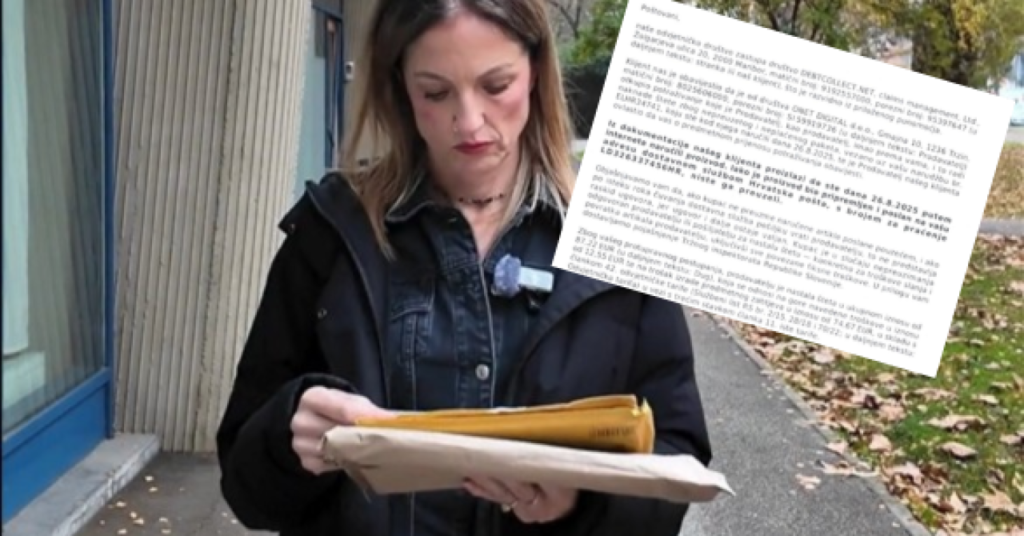
Slovenian lawyers demand 87 euros from Croatians for uncollected goods
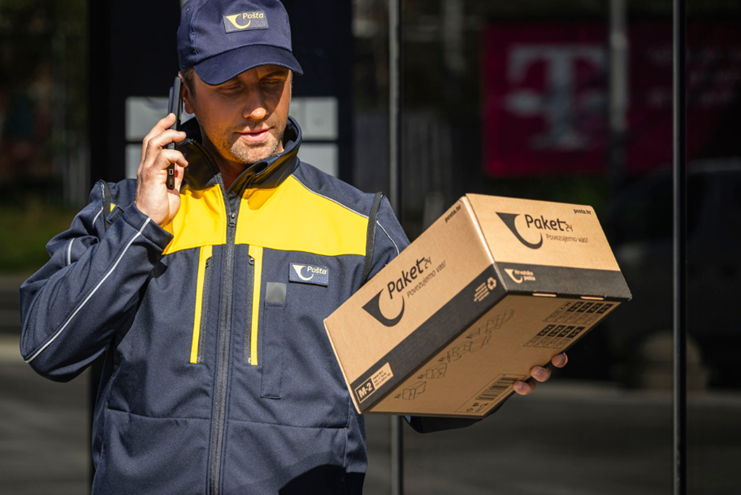
Advice for online shoppers: Open the package and don’t accept what you didn’t order

Croatian Post warning about fake SMS messages: Don’t fall for the scam!