
One click and your account is empty! Tips on how to recognize a scam before it’s too late
18.02.2026. | 10:26Online scams have become increasingly common with the development of technology and are on the rise, while scammers often misuse the name of well-known delivery services such as DPD in order to gain the trust of citizens. They have one goal, which is to obtain data about payment cards and bank accounts and misuse them.
At first glance, it may look like a regular message announcing a delivery, but the message always includes an additional link that redirects you to send additional information, pay something, and similar.
Although they are being talked about more and more, they are becoming increasingly subtle and harder to recognize. They are sent through multiple channels, SMS messages, emails, WhatsApp and ads on social networks. They have become so convincing that even experienced online shoppers are convinced that the message is credible. An additional worrying fact is that such messages have started appearing almost daily, in new forms and with new tricks.
What does the most common scam look like?
The messages that usually arrive report a problem with a certain delivery (the package is held, the address is incomplete or a certain fee needs to be paid). The link leads to a fake website that almost perfectly imitates the official website of the delivery company.
The logo, colors and tone of communication are always carefully copied, and the goal is always the same: to request the entry of personal data, card number, expiration date and the three-digit CVV number. DPD explicitly emphasizes that they never request the entry of payment card data via email, SMS or social networks. All official messages come exclusively from the domains dpd.hr, posaljipaket.hr or dpdgroup.com
“Collection via DPD” – a new trap for sellers
With the increasing use of social networks for C2C sales, scammers have targeted citizens who use Facebook, Marketplace or various classified ads platforms.
They present themselves as interested buyers and suggest that the package be picked up by a DPD courier, with a secure money transfer. They then send the seller a link to a fake website where they need to “confirm payout details”. Entering the data gives scammers direct access to bank accounts and cards.
DPD states “We do not participate in financial transactions between private individuals and we never request the entry of personal and bank data for the purpose of receiving payment.”
How to recognize a scam?
Although they have become more sophisticated, there are some signs that clearly indicate that it is a scam.
Suspicious domains such as “.online”, “.xyz” or additions like “-delivery”, email addresses that do not end with the official domain @dpd.hr, requests to enter personal or bank data, grammatical and spelling mistakes, and messages that demand urgent action or threaten to hold the package.
DPD sends only delivery time information via SMS or Viber, with a one-hour time frame and a package number, without requesting additional payments or card details.
What to do if you suspect a scam?
If you notice any signs that a message might be fake, the most important thing is not to open the link, not to enter personal or bank data, open the official website of the delivery service by directly typing the address into the browser, and in case of suspicion contact DPD customer service via email [email protected] or [email protected]
Caution is the best protection
Complete protection in these cases does not exist. Timely recognition and additional caution provide a certain level of protection against financial damage.
One careless second can leave you without your savings. But that same second in which you decide not to click can protect you.
More information about security and current types of scams is available on the official DPD website: https://www.dpd.com/hr/hr/sigurnost/
Visa warns about vulnerabilities scammers want to exploit during Valentine’s Day
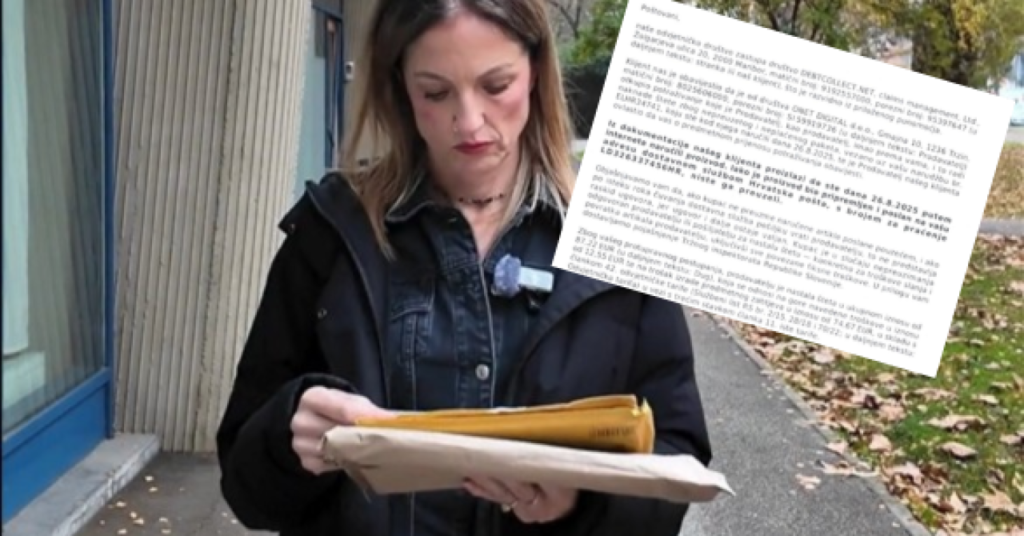
Slovenian lawyers demand 87 euros from Croatians for uncollected goods

HUB warns of a rise in online scams ahead of Black Friday and launches the “Let’s Be Real” campaign
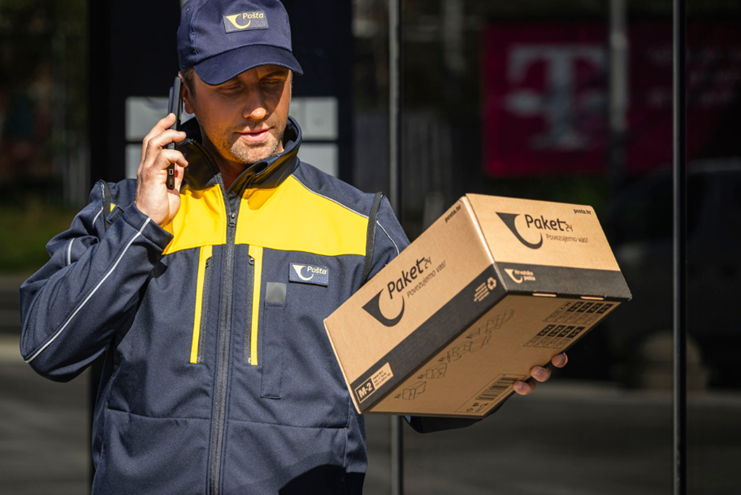
Advice for online shoppers: Open the package and don’t accept what you didn’t order

Croatian Post warning about fake SMS messages: Don’t fall for the scam!